John Locke once described the human mind as a "tabula rasa," or a blank slate. At the root of this statement is essentially that when we are born, our mind is a clean surface, susceptible to alterations. What alters our tabula rasa is a conglomeration of everything that we experience and encounter in our life times. Each event, regardless of how minute, leaves a mark on our tabula rasa; this jumbled series of alterations is what defines who we are. One major part of who we are is the environment in which we were raised. The communal series of facts we have grown to understand, because of their commonality, has become a part of us. In conjunction, these facts become a common theory, which is recognized as a paradigm.
We find comfort in our contemporary paradigm because it encompasses what is acceptable and what we strive to be. However, what is deemed acceptable and what fits into today's paradigm does not reflect the paradigm(s) of history. I have discovered two paradigm shifts to be particularly interesting: young children's creativity, and the roles of eighteen-year-olds.
A child's degree of creativity is directly correlated to how they draw a bird, I know this might seem like an interesting concept, but let me explain. Historically speaking, a child's sense of the world was drawn from real experiences; however, today's prevalence of media has conflicted with their opportunities to gain first-hand knowledge of the real world. A child in kindergarten drew the following image
It's clear that despite his limited art skills, he still strove to illustrate a realistic bird. However, as that child grows older, and media has a more prominent role in his life, he begins to depict birds like this
Because of the paradigm shift in children's relationship with media, it has stimulated a major shift in their sense of creativity as they grow older.
.................................................................................................................................................
Another paradigm shift which I find very interesting is the roles of eighteen year olds. It is particularly relevant because many of us are eighteen, so we have a common understanding of how we are expected to fit into society. Historically, at eighteen people had vastly different requirements to thrive. As adults, many people were no longer being educated and were in the work force, as they had already been for several years. Personally, I view myself as being very young and having a husband at this age is out of the question. However; many women were already married by eighteen which is a major shift in expectations; indirectly, this also certainly influences a shift in family dynamics.
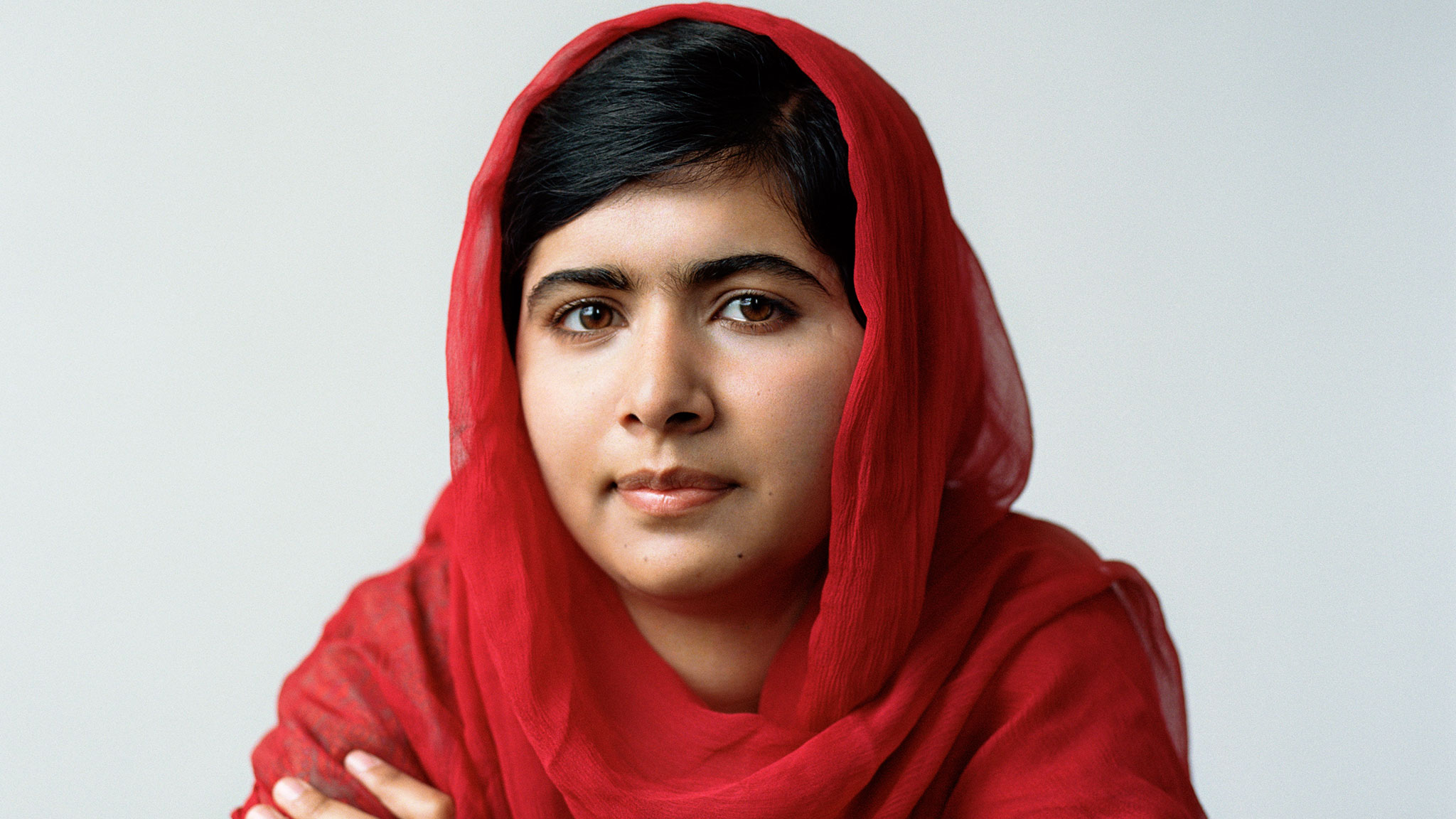
Something else that is prevalent in modern society are outliers to the commonly accepted roles of eighteen year olds. We see people like Malala Yousafzai and Kylie Jenner, who both recently entered adulthood.

Malala is known for her dynamic action in the fight for educational rights for young girls, despite having been shot. She has made a steady rise to fame and has been recognized numerous times on the global stage. It is baffling to me that we are the same age and she has already accomplished so much in her lifetime.
Kylie Jenner is known for... well, quite honestly I am not entirely sure. As a half member of the Kardashian clan, she has made a steady rise to fame because as a family they were already in the American spotlight. Individually, much of her attention is derived from her money and massive, medically enhanced lips.
It is intriguing to analyze the roles of eighteen-year-olds in a historical context and understand the major paradigm shifts the roles underwent throughout the years to reach modern expectations. The element of outliers, such as Malala Yousafzai and Kylie Jenner, adds an addition layer to the complexity of contemporary eighteen-year-olds.
Images credited to